about us
How to Take Care of Your Lawn and Keep It Green Year-Round
A lush, green lawn doesn’t happen by accident—it’s the result of consistent care, proper watering, and smart maintenance habits. Whether you’re a homeowner looking to boost curb appeal or someone who simply enjoys relaxing on healthy grass, understanding the fundamentals of lawn care can make all the difference. Here’s a complete guide to keeping your lawn vibrant, thick, and green throughout the seasons.
why choose us
Water Deeply, Not Frequently
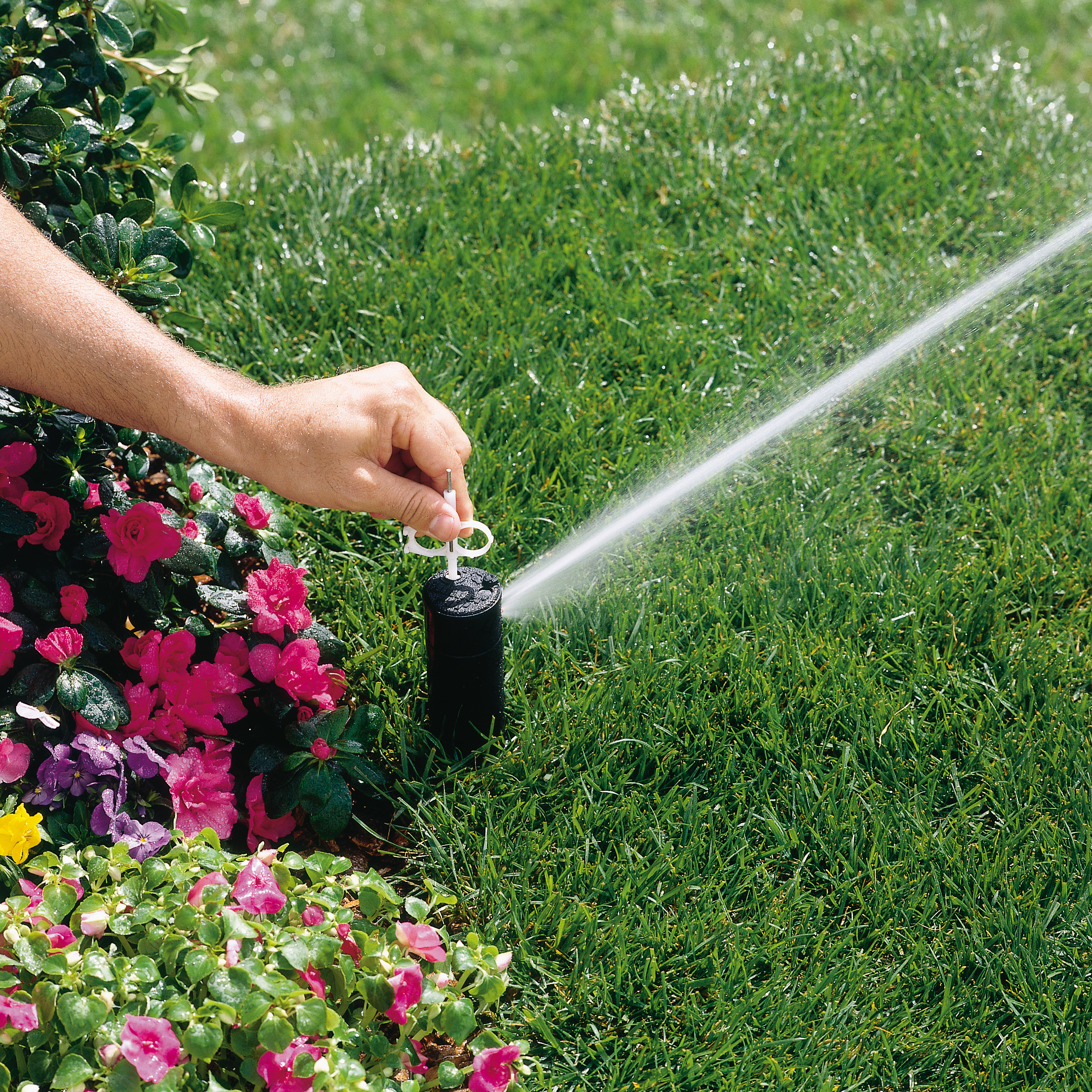
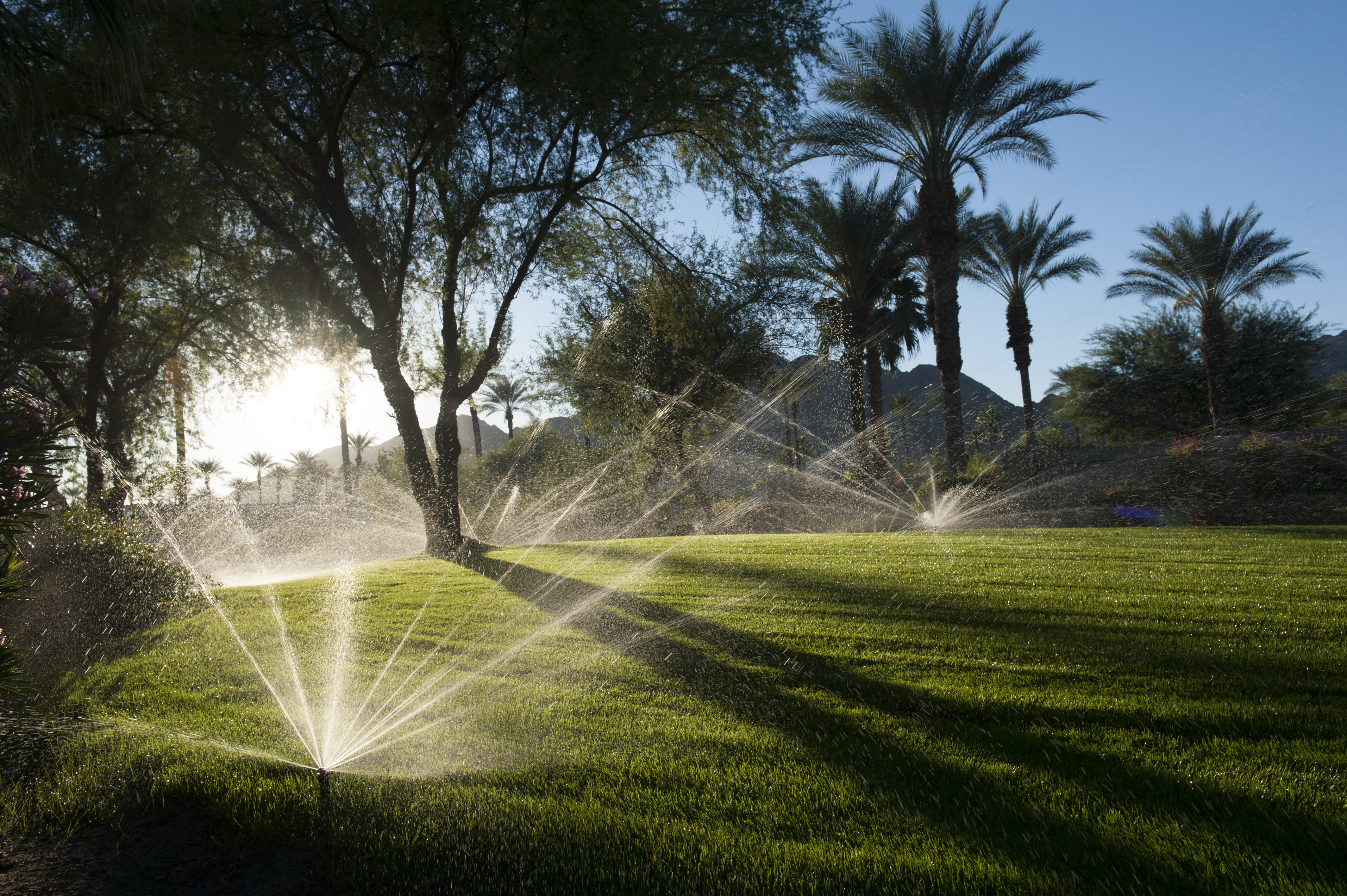
One of the biggest mistakes homeowners make is watering too often and too lightly. Shallow watering encourages weak roots that dry out quickly. Instead, water deeply 2–3 times per week so moisture reaches about 6 inches into the soil. This trains roots to grow deeper, making grass more drought-resistant and resilient.
Best practice:
Water early in the morning (between 5–9 AM) to reduce evaporation and prevent fungal growth.
Avoid watering at night, as moisture sitting overnight can lead to disease.
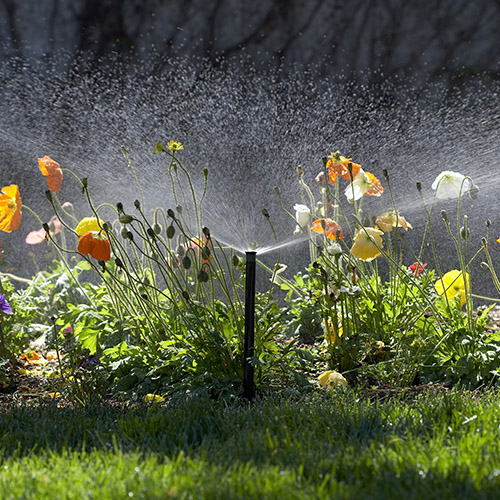
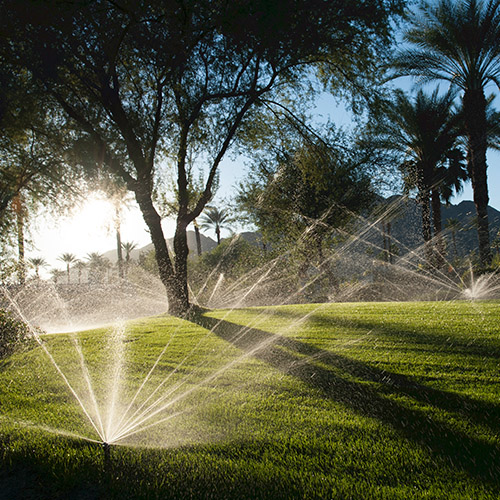
An irrigation system with timers and sensors can automate this process and ensure your lawn gets the exact amount of water it needs.
why choose us
Mow the Right Way
Mowing isn’t just about keeping grass short—it directly affects lawn health. Cutting too low stresses grass and exposes soil to sunlight, which encourages weeds.
Golden rules of mowing:
Never remove more than one-third of the grass blade at once.
Keep mower blades sharp for clean cuts.
Leave clippings on the lawn—they act as natural fertilizer.
Adjust mowing height depending on season. Taller grass in summer helps shade roots and retain moisture.
why choose us
Fertilize Strategically
Grass needs nutrients to stay green and thick. The three main nutrients lawns require are nitrogen, phosphorus, and potassium.
Fertilizing tips:
Apply fertilizer during active growth seasons (spring and fall for cool-season grasses; late spring through summer for warm-season grasses).
Use slow-release fertilizers for steady nutrition.
Avoid over-fertilizing, which can burn grass and harm the environment.
A soil test can help you determine exactly what nutrients your lawn is missing.